

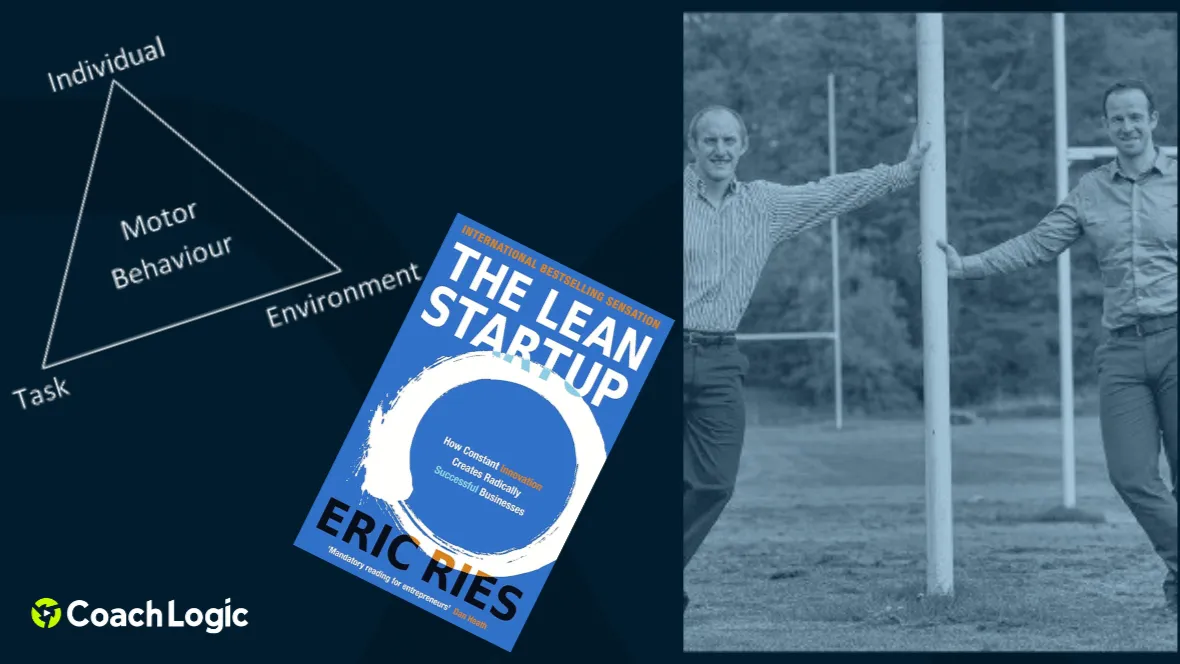
In 2011, Coach Logic's product was a PowerPoint presentation. Not a prototype. Not a wireframe. A slideshow with clickable rooms. A gym, a video analysis space, a message board and even a physio room. This simulated what we thought a digital coaching platform might look like. We showed it to PE teachers and coaches. We asked whether they'd use something like it. They said yes. That was enough to take the next step. We hadn't read The Lean Startup. We just didn't have any other option. There has been a similar pattern ever since. Constraints that should have slowed Coach Logic down ended up being the methodology. Not by design. Not by genius. Just because that was the situation we found ourselves in.
The Slideshow
Andy and I started Coach Logic because we felt the problem ourselves. We were both playing in the same rugby team, I was a PE teacher and Andy was a Sports Coaching Lecturer. The idea of Coach Logic came from our experiences as players, teachers and coaches and discussed in changing rooms with mates and staff rooms with colleagues.
Neither me or Andy could code. We couldn't build a prototype in a weekend. So Andy built a PowerPoint instead. The constraint forced the right behaviour. We had to show the idea before we could build it. We had to test whether people wanted it before we spent money finding out the hard way that they didn't. A web development company built the first real version. And by the time something actually existed, we were already confident it was going to be used.
Too Much Product
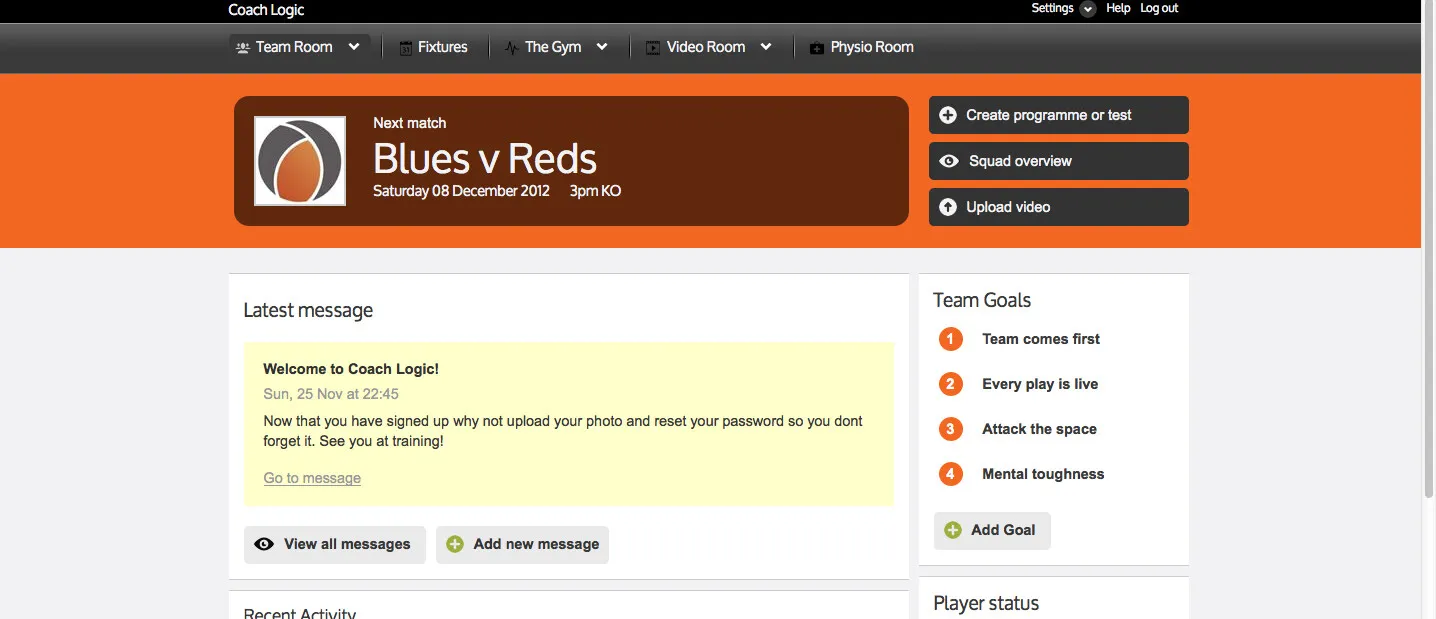
That first real version of Coach Logic had a team selection tool, physio room, a gym, a message board, a resource space, and a video analysis area. Within the first year it was obvious this was too much. The physios wanted more from the physio room for it to be genuinely useful to them. The strength and conditioning coaches wanted more from the gym space. The message board was one-way, ie only the coach could post, which didn't fit what we believed about learning and the coach-athlete relationship.
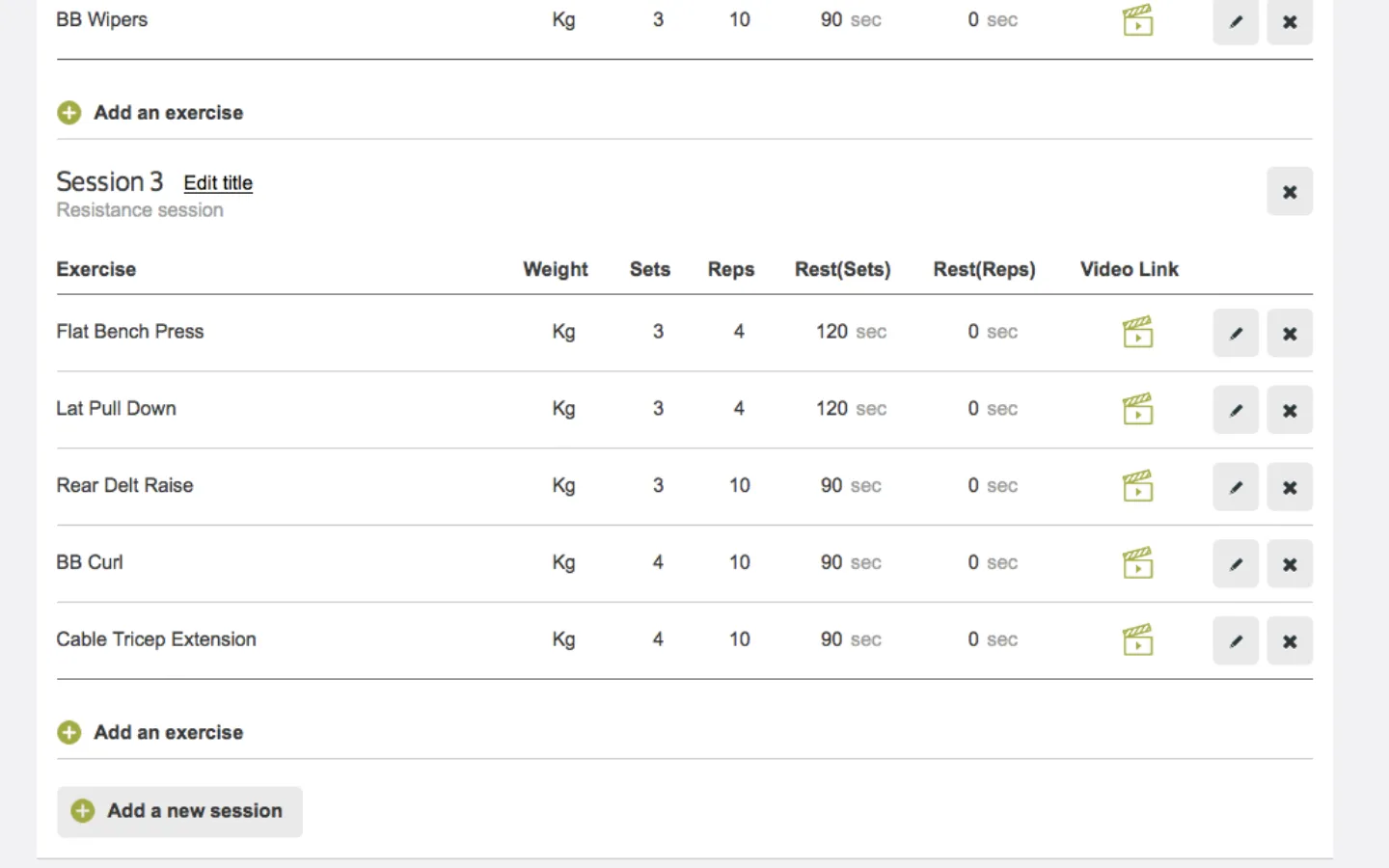
We were still in Full Time employment as teachers with no technical skills, no big development team and little budget for improving and maintaining all of it. We had to choose. We made our apologies to physios and strength and conditioners and focussed on the video analysis space as this was being used most by the coaches, which were our target user. A little later we removed these other areas completely and what remained was a video analysis and communication platform. Focused on what coaches were actually using: the video analysis space, and the ability to share clips directly to something that felt like a social feed.
The Feed was an adaptation of the message board and the instinct was to follow the behaviours users were already displaying on platforms like Facebook, Twitter and Instagram. Share a post (often video), get a reaction and build a conversation. A better resourced company might have kept adding features. We were cutting them and the product got better every time.
The Right Room at the Right Time
Working a full time teaching role for the first 3 years of Coach Logic could definitely be seen as a major constraint on growth but being inside a PE department gave me access to real users. Sixteen PE staff, including ex and current international players and coaches working with athletes performing at a high level. I didn't have to recruit them for a focus group. They were my colleagues. The luck wasn't just the access. It was the quality of the feedback. These were people who understood the problem well enough to tell me what was actually missing. I was also using the platform myself as a coach, not just observing others using it. That gave me a second layer of insight. Not purely observation but personal experience.
Keeping the Right People
In 2020 we had to reduce the team. COVID forced decisions we would not have made ourselves and it was a tough time. We kept the most experienced people, those who understood the product, could work remotely with autonomy and make sure we kept moving forward. That turned out to be exactly right for where we were heading. A small team of experts, working with real autonomy, has been able to move faster on SAM than a larger team with more resources and more overheads could have. AI is a multiplier in the hands of people who know what they're doing. Remote working is great for an experienced team that has formed strong bonds and a working culture over years in the same office. The COVID downsizing, as painful as it was, produced the right structure for an AI-era product company.
What AI Couldn't Do Yet
When we first started experimenting with AI for coaching session analysis, which would later become SAM, the technology wasn't ready for what we needed. Transcripts were possible. Behavioural classification was rough. The outputs needed significant domain expertise to interpret, and in many cases they were just wrong. That constraint forced a decision that turned out to be the right one. Rather than chasing perfect AI output, we focused on the tooling around the output. What did coaches need to do with SAM's analysis once they had it? How should the data be presented and checked?
Get SAM To Market ASAP
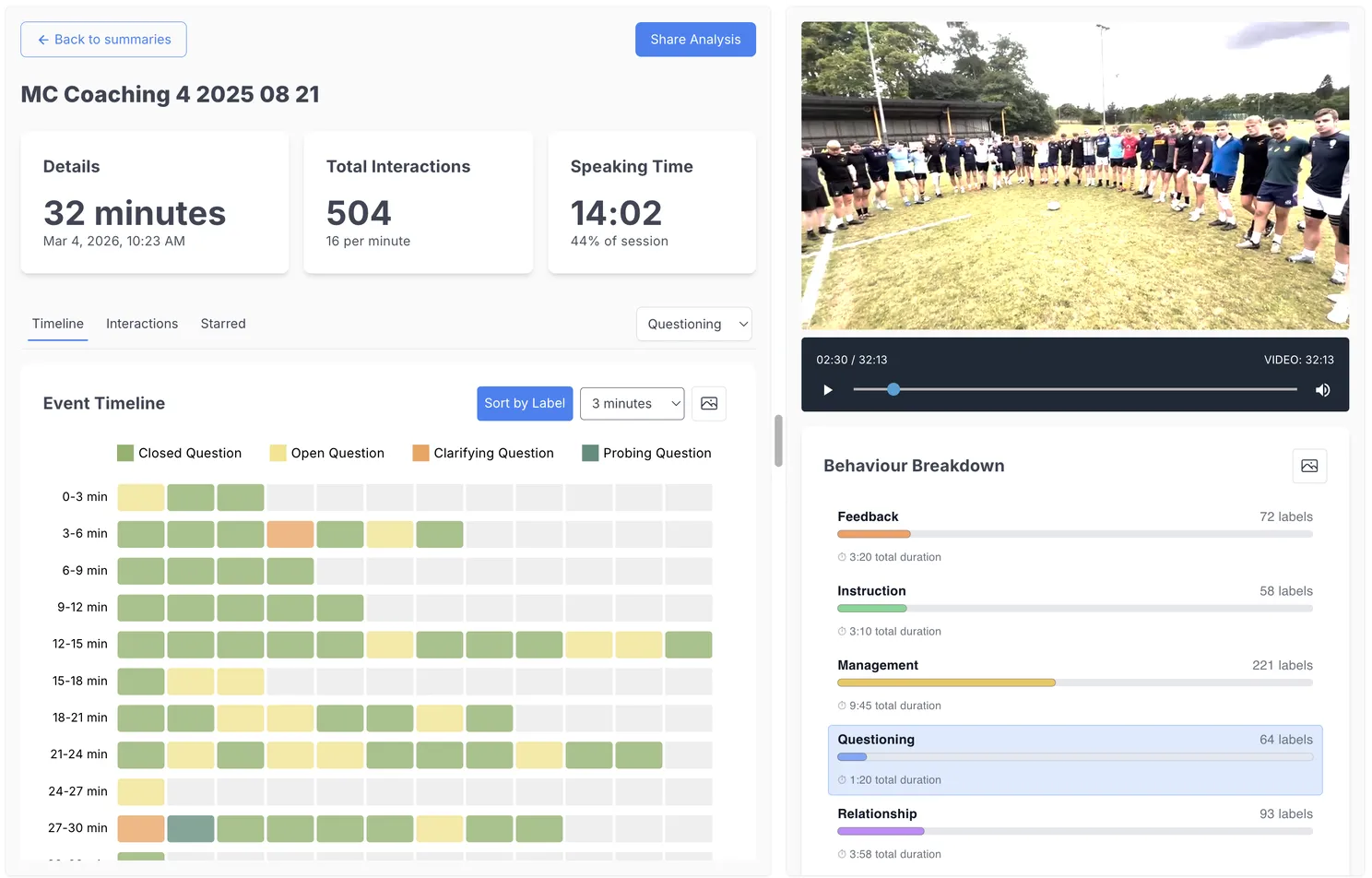
We started by integrating SAM data into the existing Coach Logic features, utilising the video analysis tools, playlists and the feed. SAM data simply displayed as an analysis timeline that is common for game analysis. We used the Feed to notify the user of the analysis being available and provided the full transcript and categorised interactions as files attached to a post.
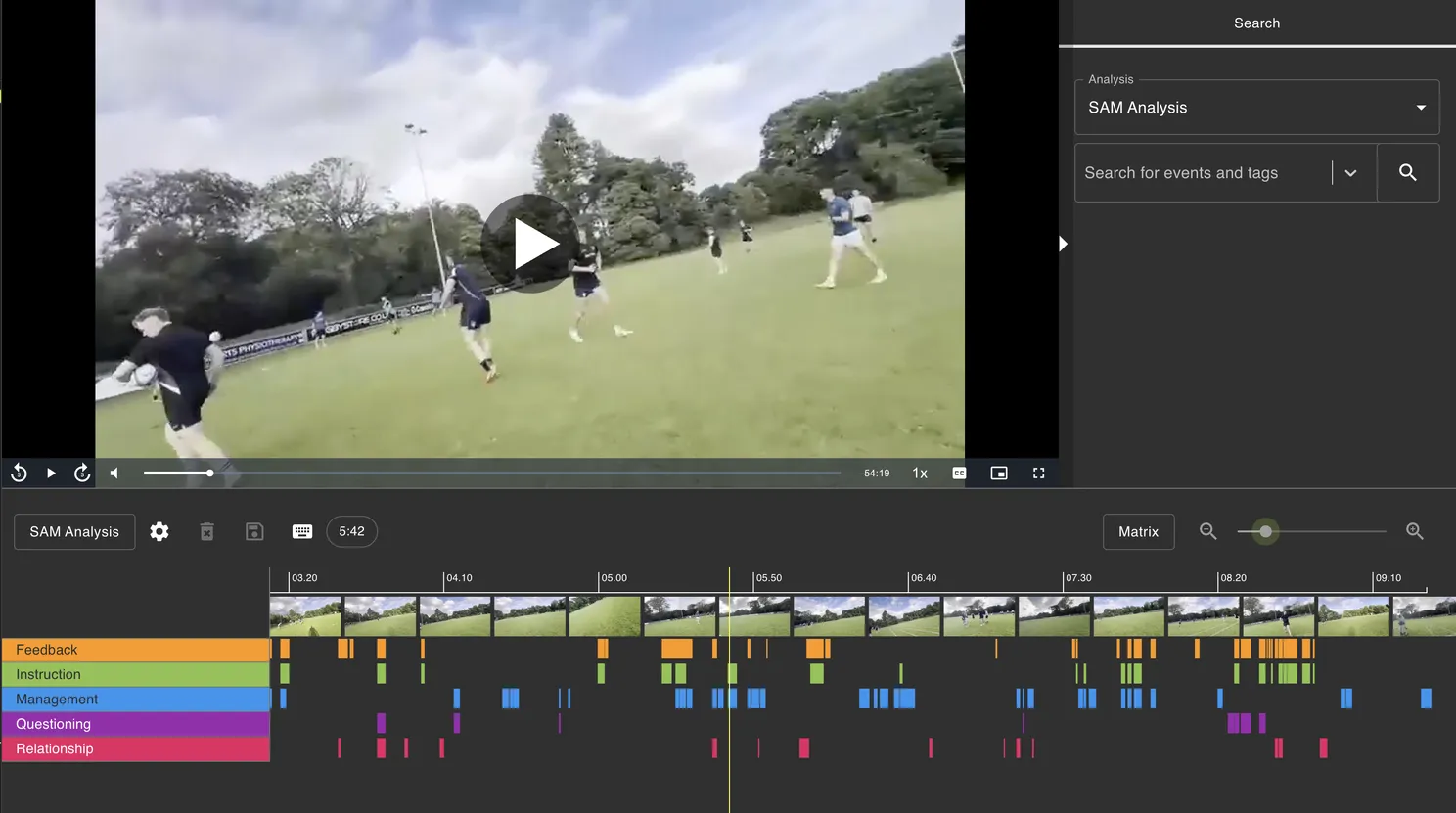
By this point we had already started to work with Governing Bodies, who were using Coach Logic to manually code and remotely mentor coaches on courses. We had an active user base ready to provide feedback, we just needed to get the tool in their hands. Their feedback pointed towards a dashboard style space with clickable data that linked back to the video. We got asked if SAM could provide a reasoning for its categorisation of coaching interactions to inform the coach and mentor.
This time around, instead of producing a slide show presentation for the developers, I could harness AI coding tools to create a working prototype. It took me less time creating the prototype than it did producing the presentation. We created a dashboard that presented interaction data in a way that led to genuine reflection, not just a summary to scroll past. Coaches and coach developers could start to engage with the results to make their conversations more meaningful.
The AI output improved over time (and continues to improve). SAM was already providing real value.
'Choosing' Revenue
By the time SAM was ready to go to market, Coach Logic was over twelve years old. That's not the profile most investors or grant applications are looking for. We didn't fit the profile of a company they are geared to support. Also from previous experience it's tough to go after investment and generate meaningful revenue. So we chose revenue as this was the quickest and most controllable way to keep moving forward.
Turns out that the constraint of needing to generate revenue has got us to market quickly and instead of presenting decks to investors we've been demonstrating the SAM to coaching experts. We have attracted some of the most innovative Governing Bodies that want to adopt and support the development of SAM and this is gold for us.
Why It Matters
I'm not arguing that constraints are always good, or that this is a strategy worth following deliberately. Much of the time, in the moment, they were frustrating, not liberating. But looking back at over 14 years of building, the decisions I'm proudest of were almost all made under pressure. The ones that felt like a set-back turned out to be an efficiency or focus. The ones that felt like limitations turned out to be simplification.
A lot of product advice is about removing friction. I think there's a version of building where the friction brings out the best in companies.
What constraints have positively shaped you or something you have built or are building?